|
1
|
|
|
2
|
- What computer vision is.
- What vision is.
- Computer vision.
- Landscape of research at Maryland.
- What it’s like to do vision research.
- Tools used.
- Research groups.
- Future careers.
|
|
3
|
- ``to know what is where, by looking.’’ (Marr).
- Where
- What
|
|
4
|
- Psychology
- ~ 50% of cerebral cortex is for vision.
- Vision is how we experience the world.
- Engineering
- Want machines to interact with world.
- Digital images are everywhere.
|
|
5
|
|
|
6
|
|
|
7
|
|
|
8
|
|
|
9
|
|
|
10
|
- Inference à
Computation
- Building machines that see
- Modeling biological perception
|
|
11
|
- Laboratory founded by Azriel Rosenfeld in 1965
- One of (maybe the) oldest computer vision labs.
- Many alumni throughout world.
- Very big.
- ~ Four teaching faculty, ~ Nine research faculty, ~40-50 grad students.
|
|
12
|
- Very diverse.
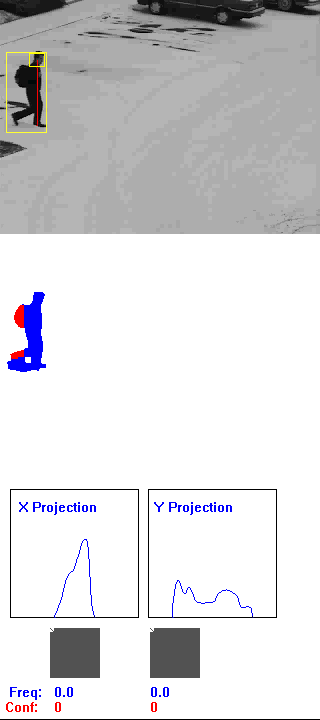
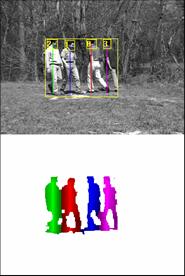
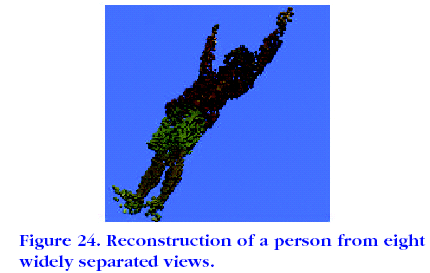
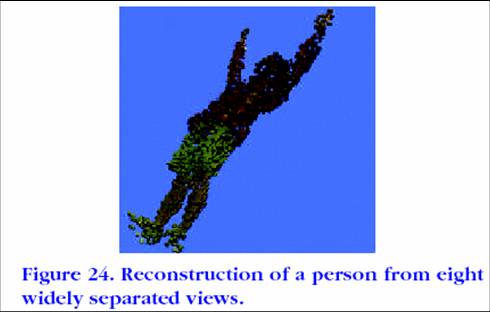
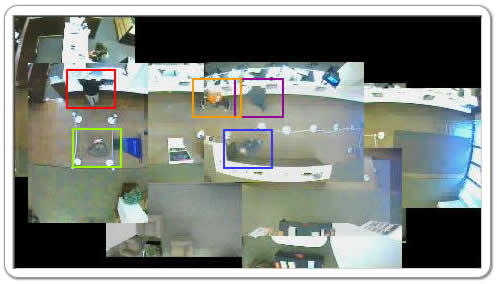
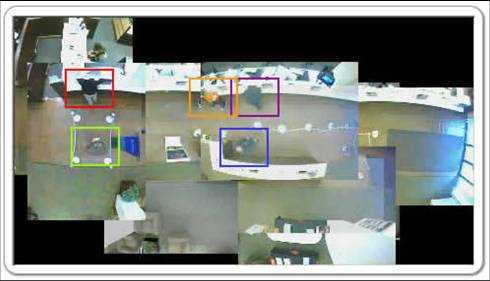
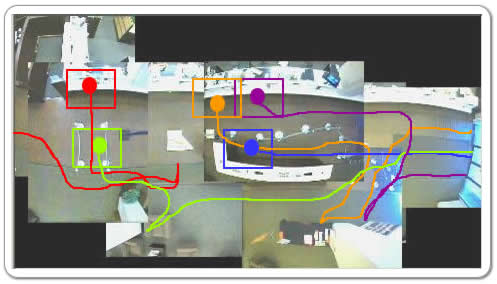
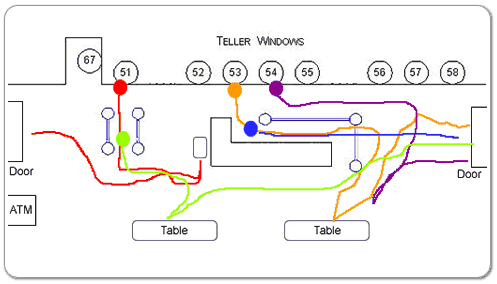
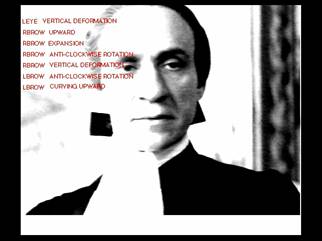
- Understanding images of people.
- Tracking: where are people? In what position?
- Recognition: Activity; expression; identity.
- Structure-from-motion.
- 3D from video.
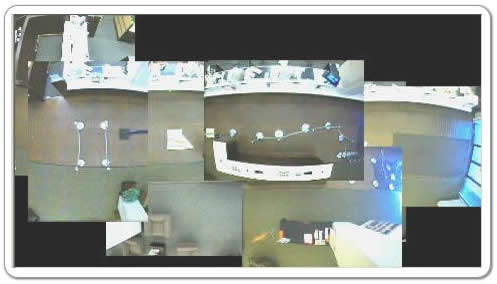
- New cameras.
- Document/video understanding
- Recognition: lighting, shape.
|
|
13
|
|
|
14
|
|
|
15
|
|
|
16
|
|
|
17
|
|
|
18
|
|
|
19
|
|
|
20
|
|
|
21
|
|
|
22
|
|
|
23
|
|
|
24
|
|
|
25
|
|
|
26
|
|
|
27
|
|
|
28
|
|
|
29
|
|
|
30
|
|
|
31
|
|
|
32
|
|
|
33
|
|
|
34
|
|
|
35
|
|
|
36
|
|
|
37
|
- A very diverse field
- Important work comes from people belonging to many different fields:
Computer Science; Electrical Engineering; pure math; applied math;
physics; neuroscience; psychology.
- Common language is math
- Diversity of goals: building useful systems; understanding biological
vision; fundamentals of vision; testbed for learning or optimization.
- Diversity of tools: math; optimization; system building (including real
time systems); AI; learning…
|
|
38
|
- Starting points
- A practical problem: activity recognition; leaf recognition; real-time
tracking.
- An unresolved issue in a fundamental problem: role of occlusions in
stereo; effect of motion on pose and shading.
- A technique: fast multipole methods; Kalman filtering; belief
propagation.
|
|
39
|
- First steps:
- Implement benchmark algorithms.
- Find a simple, toy domain to solve mathematically
- Look for flaws in current algorithms and try to improve them.
- Influential work:
- Solve a fundamental math problem, especially one that gives rise to new
algorithm.
- Show importance of technique from other field.
- Create a new problem.
- Build impressive system that demonstrates new ideas or potential
effectiveness of existing ones.
|
|
40
|
- Core competency in many areas: programming, math, knowledge of other
fields.
- But can excel in many ways:
- System building
- Math/Algorithms
- Vision and …(graphics, hci, psychology, learning).
|
|
41
|
- More Data, Faster Machines =>
- More Interaction with Other Fields.
- Fundamental Problems Remain
|
|
42
|
- Partly push of video meant bigger optimization problems.
- Early 90s, SVD, Gradient Descent, Filtering.
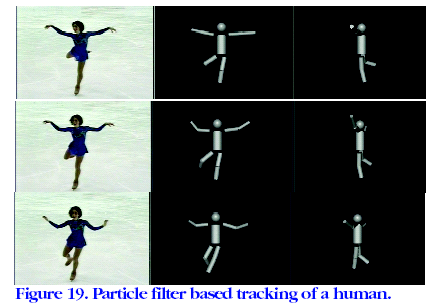
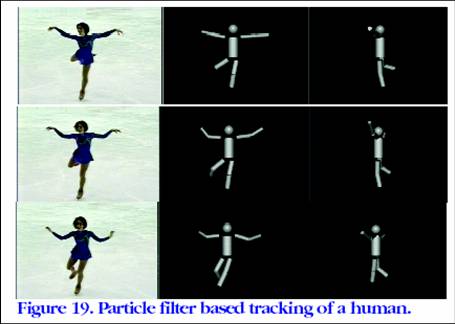
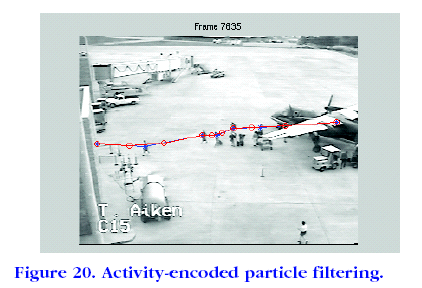
- More recently, Graph Algorithms, Particle Filtering, Mean-shift,
Multi-grid, Fast Multipole Methods ….
- Techniques from theoretical CS, applied math, physics, learning,
….
|
|
43
|
|
|
44
|
|
|
45
|
|
|
46
|
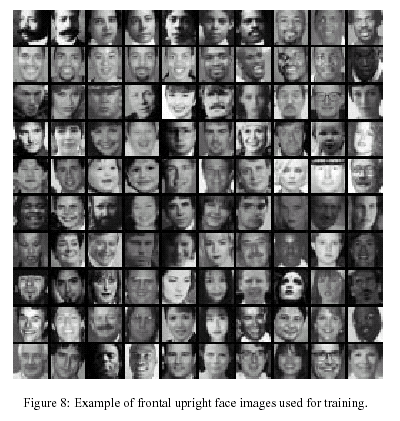
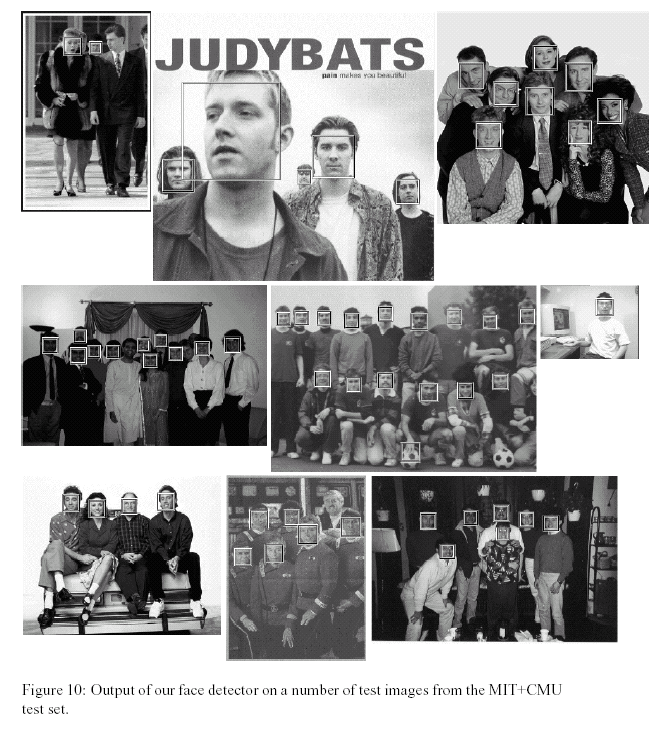
- Recognition using supervised learning.
- Given examples of an object
- Use classifiers: eg, SVMs, Winnow, Boosting.
- Grouping using unsupervised learning.
- Probabilistic Modeling
- Eg., Graphical models, texture, ….
|
|
47
|
|
|
48
|
|
|
49
|
- Common interest in modeling reflection, light, 3D shape.
- Image-Based Rendering.
|
|
50
|
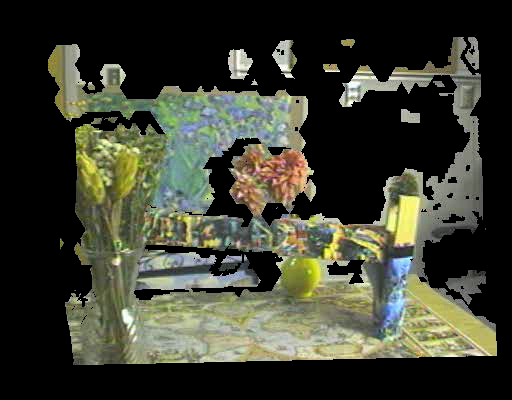
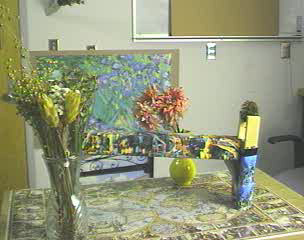
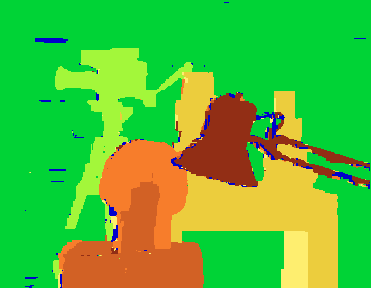
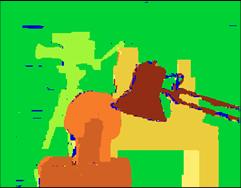
input depth image novel view
|
|
51
|
|
|
52
|
|
|
53
|
|
|
54
|
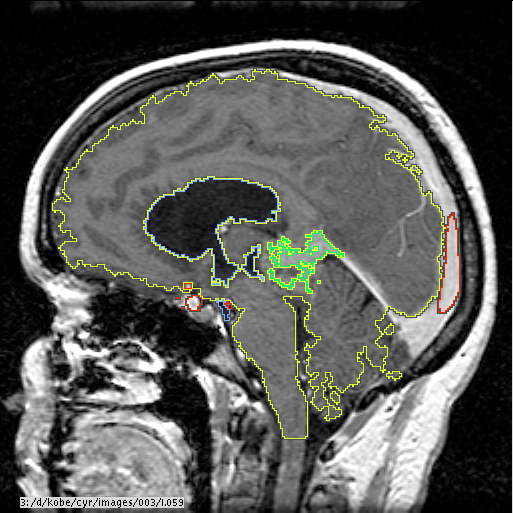
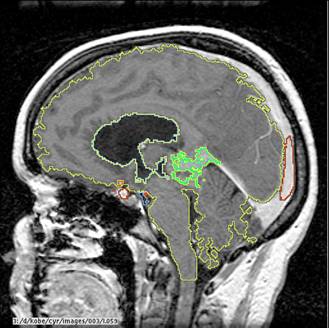
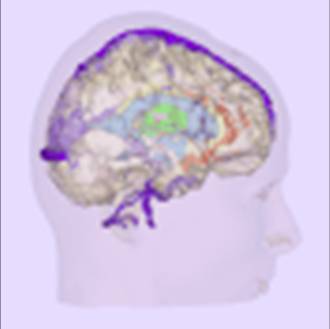
- Segmentation
- Identify organs to measure them.
- Find tumors.
- Tracking
- Is a heart beating properly?
Is there dead tissue?
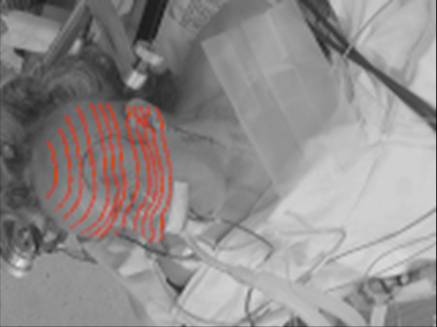
- Registration/Matching.
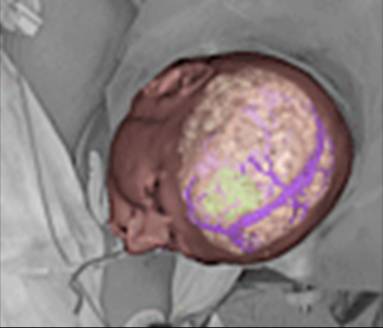
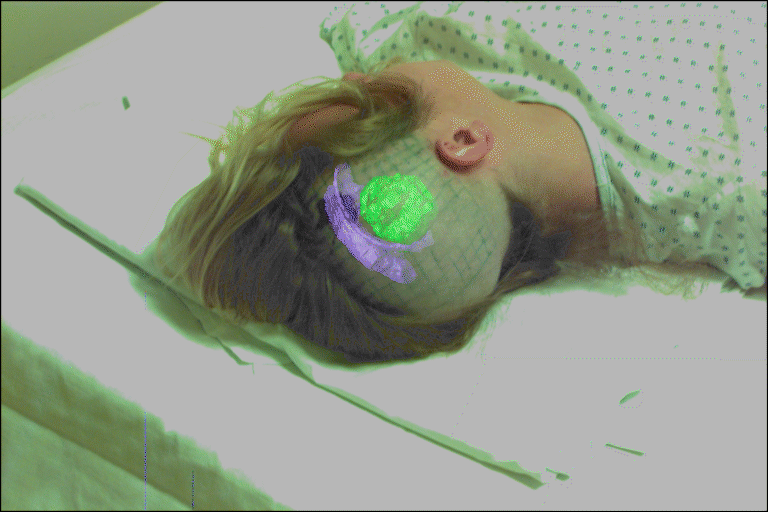
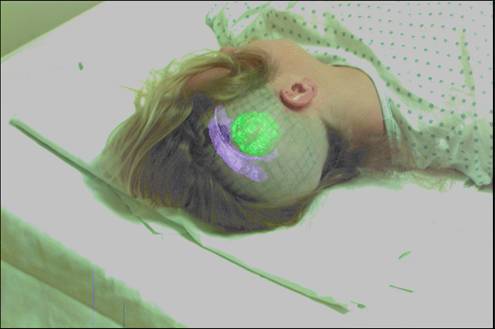
- Positions of Tumors in Surgery.
|
|
55
|
|
|
56
|
|
|
57
|
|
|
58
|
|
|
59
|
|
|
60
|
- Image Data Bases
- Kodak, commercial data bases w/ tens of thousands of images.
- Internet, with millions?
- Satellite imagery (Petabytes).
- Monitoring effects of climate change.
- Custom Data Sets
|
|
61
|
|

 Notes
Notes