

CS Home Research Human-Computer Interaction

Main menu

Human-Computer Interaction (HCI)

url: www.cs.umd.edu/hcil/

The Department of Computer Science has long been a leader in Human-Computer Interaction research and teaching. The undergraduate offering is focused on CMSC 434, while the graduate courses include CMSC634 Research Methods and CMSC 734 Information Visualization. Occasional graduate seminars and reading courses add opportunities for students. We have a weekly brown bag lunch and discussion Thursdays at 12:30 in 2105 Hornbake Library, South Wing that all are welcome to.

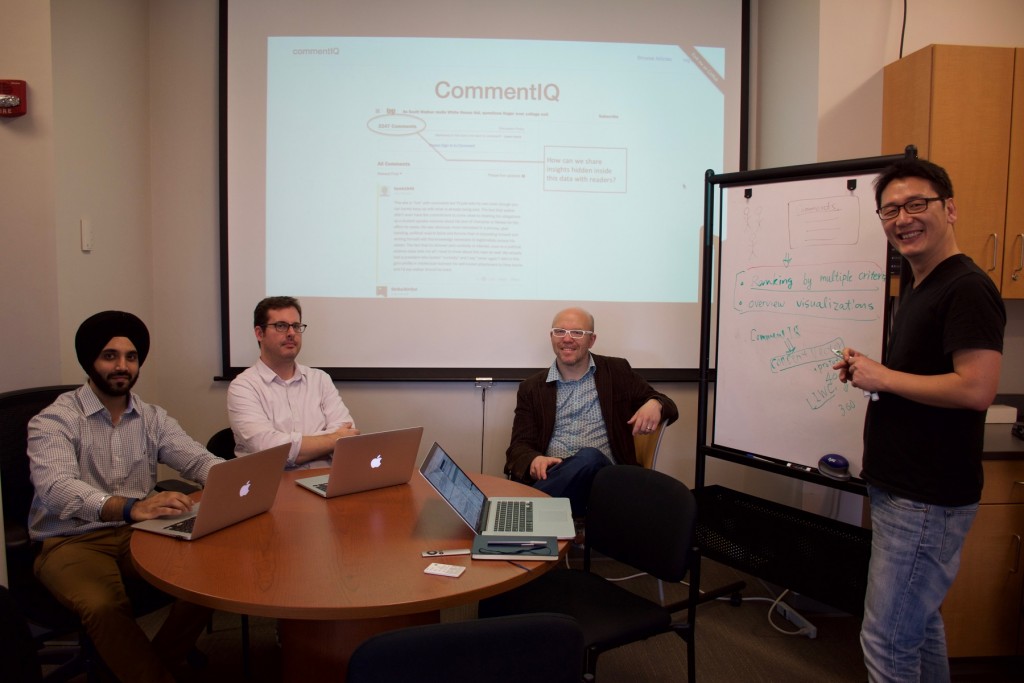
On the research side, the Human-Computer Interaction Lab (HCIL) at the University of Maryland (directed by Assistant Professor Jen Golbeck) designs, implements, and evaluates new interface technologies that are universally usable, useful, efficient and appealing to a broad cross-section of people. We believe it is critical to understand how the needs and dreams of people can be reflected in our future technologies. To this end, the HCIL develops advanced user interfaces and design methodology. Our primary activities include collaborative research, publication and the sponsorship of open houses, workshops and symposiums. More than 600 technical reports and 200 videos are available on the HCIL website.

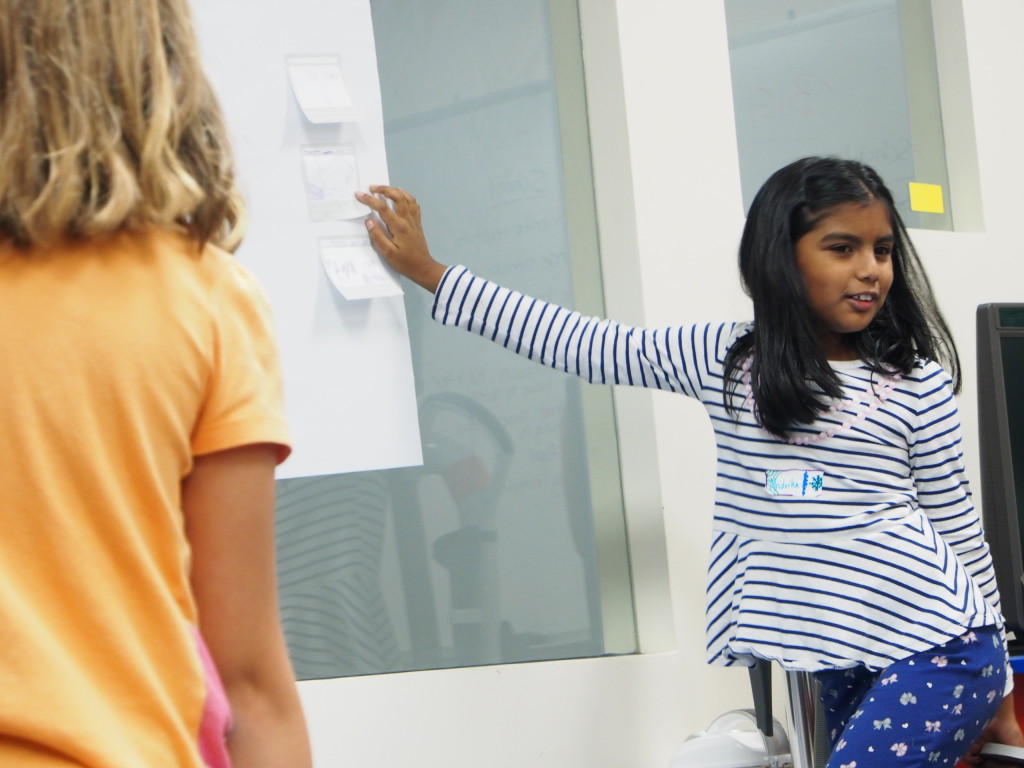
The HCIL is an interdisciplinary lab that is jointly operated by UMIACS and the College of Information Studies (iSchool). It is comprised of faculty and students from Computer Science, Information Studies, Psychology, and other campus units. Our current work includes new approaches to information visualization, education, social computing, mobile devices, and medical informatics. We also explore technology design methods with and for children.

Founded in 1983 by Ben Shneiderman, the lab is one of the world's oldest centers for the study of human centered computing, with a long history of creating innovative interaction designs, understanding human performance, and applying these two to the development of applications that serves the community. From the concepts of direct manipulation and dynamic queries, to treemaps and other major advances in visualization, Ben Shneiderman has been a pioneer in the field, and continues to be an active participant in the lab today. Ben Bederson became director of the HCIL (2000-2005), while continuing his work on zoomable user interfaces, software engineering support for user interfaces, mobile devices, and human computation. Allison Druin led the lab from 2006-2011, and Jen Golbeck is currently director.

Projects are described extensively at www.cs.umd.edu/hcil/ - some focus areas include:

Social Computing - While we have always focused on the human perspective as it relates to computing, more recently we have focused on how larger groups of people can work together to achieve great and sometimes surprising accomplishments. One example, called MonoTrans and led by Ben Bederson, enables monolingual people to help translate books from our International Children's Digital Library (www.childrenslibrary.org). We leverage the massive number of online users who have limited or no bilingual skill, by combining existing machine translation methods with monolingual human speakers.

Information Visualization - Our early work led to the commercial success with Spotfire with dynamic query sliders and multiple coordinated windows. Our fundamental concept of treemaps for presenting hierarchical structures has become widely used: Treeemaps are used and distributed by many organizations including Microsoft, The Hive Group, NY Times, and Spotfire. Temporal event visualization has become a large topic with applications to electronic health records: Network analysis and visualization are major topics, especially through the open source project NodeXL.

Recent graduates work at Google, Microsoft Research, IBM, etc. and the Universities of Iowa, Buffalo and South Carolina, and Virginia Tech. Funding comes from a wide range of industry and government sponsors, especially the National Science Foundation.

The HCIL sponsors an annual Symposium with about 300 attendees who come to learn about HCIL innovations and technologies. It is typically held the last week of May.

University of Maryland
UM Home | CMNS | Directories | Calendar | Contact
Last modified: June 28, 2011