CMSC216
Class
Syllabus
Introduction
The goal of the course is to convey the fundamental concepts that enable programs to execute on real hardware. Those concepts include how the operating system virtualizes the hardware to provide basic services and abstractions to enable a user program to effectively use the available hardware resources. The course also addresses how different programming constructs and idioms work.
The basic abstraction of a program running as one or more threads of control in a single flat address space (a Unix process) is the key to the course. Emphasizing that abstraction as the underlying model for understanding how a program works, from both the user program and hardware perspective (with the OS in between), run as a theme through all topics in the course. Examples include C pointers (to data and functions), function calls and runtime stack management, dynamic memory management in the heap, and the fork/exec system calls.
Prerequisites
| Prerequisite | C- or better in CMSC132 and MATH 141 |
|---|---|
| Corequisite | CMSC 250 (or equivalent) |
| Credits | 4 |
Course Coordinator
| Name | Office |
|---|---|
| Alan Sussman | AVW 4121 |
| Nelson Padua-Perez | AVW 1203 |
For office hours and other contact information, visit the staff link.
Textbooks
| Title | Authors | ISBN | Type |
|---|---|---|---|
| Computer Systems: A Programmer's Perspective, 3rd edition | R.E. Bryant and D. R. O'Hallaron | 9780134092669 | Required |
| C Programming, 2nd edition | K.N. King | 9780393979503 | Required |
Course Topics (Subject to Change)
- Unix Memory Model
- Moving from Java to C
- Pointers and dynamic data structures in C
- I/O, standard libraries
- Testing
- Assembly Language
- Process control
- Systems programming
- Program measurement and optimization
- Multithreaded programming with pthreads
- Libraries and linking
- Dynamic memory management
Grading
Final grades will be computed according the following weights:
| 28% | Projects |
|---|---|
| 10% | Announced Quizzes |
| 6% | Exercises, Lab, Lecture Work |
| 28% | Midterms(2), (12% and 16%) |
| 28% | Final Exam |
Once we have graded any class material (e.g., exams, projects, etc.) we will post an announcement and a deadline by which you must submit any regrade request (if necessary). It is your responsibility to submit regrade requests by the specified deadline; no regrade requests will be processed afterwards.
Projects
- Deadlines - All projects are due at 8 pm on the specified day in the project description. You have until 8 pm of the next day to submit your project with a 10% penalty. Notice that after the late period, you will not receive any points for your project, even though you still need to satisfy the good faith attempt (see information below). For example, if a project is due on Wednesday at 8 pm, you have until Thursday at 8 pm to submit a late project with a 10% penalty. Any submission after Thursday 8 pm will receive 0 pts.
- Submit Server - You need to use the submit server for project submissions. We will not accept projects submitted otherwise (e.g., e-mail, etc.). Notice that we use the submit server results to compute a significant portion of your project's grade. You need to make sure that your project works in the submit server, otherwise you will not get any credit.
- Which Project Gets Graded - Your grade for an project will be based on the submission with the highest score after the late penalty (if any) has been applied.
- Good Faith Attempt - You must satisfy a minimum set of requirements for each project (Good Faith Attempt) otherwise you will not pass the course (automatic grade of F). Each project defines its own good faith attempt criteria and a deadline to provide an implementation that satisfies it. If you start a project on time, and look for assistance (if required) you should have no problems satisfying the Good Faith Attempt. The Good Faith Attempt guarantees you have the skills necessary for upper-level courses. Notice that you will not receive extra points for completing the good faith attempt. The grade you obtain for a project will be based on your ontime/late submission.
- Closed Projects - All programming assignments in this course are to be written individually (unless explicitly indicated otherwise). Cooperation between students is a violation of the Code of Academic Integrity.
TA Room/Office Hours
Office hours get extremely busy the day before a project deadline. Therefore do not wait to start your projects. Regarding office hours and the TA Room:
- Once you have been helped by a TA, please leave the TA room. We have a large number of students in all of our classes and the TA room is really crowded. Thank you for help on this matter.
- A TA should spent at most 5 minutes with a student while others are waiting. Please remind TAs about this rule.
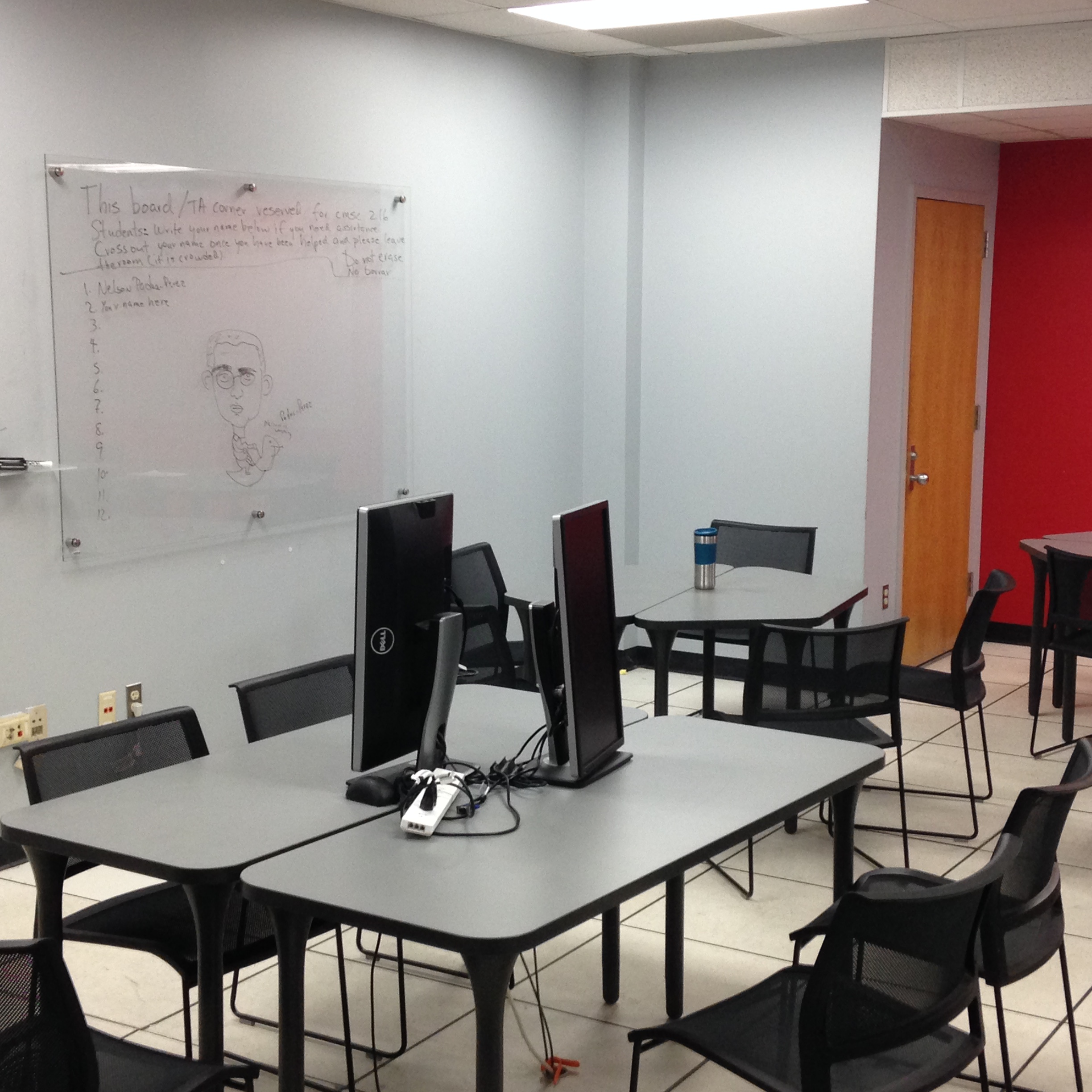
- We have reserved a corner of the TA room for this class. Put your name on the board list and a TA will help you. Once you have been helped please cross out your name. A photo of the corner can be found at cmsc216 Corner.
Class Attendance
Keep in mind that in-lecture graded exercises (sometimes without advance notice) are an integral part of the work of the course.
Backups
You need to keep backups of your projects as you develop them. No extensions will be granted because you accidentally erased your project. Feel free to use the submit server as a backup tool by submitting often. You can also use tools like git, etc. Do not post code in any online system that is accessible to others (e.g., github).
Academic Integrity
Note that academic dishonesty includes not only cheating, fabrication, and plagiarism, but also includes helping other students commit acts of academic dishonesty by allowing them to obtain copies of your work. In short, all submitted work must be your own. Cases of academic dishonesty will be pursued to the fullest extent possible as stipulated by the Office of Student Conduct.
It is very important for you to be aware of the consequences of cheating, fabrication, facilitation, and plagiarism. For more information on the Code of Academic Integrity or the Student Honor Council, please visit http://www.shc.umd.edu
Examples of Academic Integrity Violations
The following are examples of academic integrity violations:
- Hardcoding of results in a project assignment. Hardcoding refers to attempting to make a program appear as if it works correctly (e.g., printing expected results for a test).
- Using any code available on the internet/web or any other source. For example, using code from GitHub, PasteBin, etc.
- Hiring any online service to complete an assignment for you.
- You may not post the implementation of your assignments, materials related to the class (e.g., project descriptions), or any other material associated with this course on the web. Even if the class is over and you have graduated, you may NOT post any material.
- Sharing your code or your student tests with any student.
- Providing ideas/suggestions on how to solve/implement a programming assignment.
- Looking at or debugging another student's code.
- Using online forums to ask for help regarding our assignments.
Piazza
We will be using (Piazza) for class communication. Regarding Piazza:
- We will use Piazza to communicate in lecture and to provide class announcements.
- Posting of code is not allowed is Piazza. Anyone posting any kind of code may receive an XF in the course.
- The preferred mechanism to address course questions (projects, lecture material, etc.) is during office hours, in lab and in lecture.
- Students' questions can only be answered by CS staff (TAs and instructors). Although we will try to check Piazza often there is no guarantee we will respond to messages immediately.
- You will not be able to register to Piazza yourself. Your instructor will register you using the e-mail you have in the university system.
Excused Absence and Academic Accommodations
Any student who needs to be excused for an absence from a single lecture, recitation, or lab due to a medically necessitated absence shall:
- Make a reasonable attempt to inform the instructor of his/her illness prior to the class.
- Upon returning to the class, present their instructor with a self-signed note attesting to the date of their illness. Each note must contain an acknowledgment by the student that the information provided is true and correct. Providing false information to University officials is prohibited under Part 9(i) of the Code of Student Conduct (V-1.00(B) University of Maryland Code of Student Conduct) and may result in disciplinary action.
- This self-documentation may not be used for the Major Scheduled Grading Events as defined below and it may only be used for only 1 class meeting during the semester.
Any student who needs to be excused for a prolonged absence (2 or more consecutive class meetings) or for a Major Scheduled Grading Event, must provide written documentation of the illness from the Health Center or from an outside health care provider. This documentation must verify dates of treatment and indicate the time frame that the student was unable to meet academic responsibilities. No diagnostic information shall be given. The Major Scheduled Grading Events for this course include midterm(s) and final exam.
It is also the student's responsibility to inform the instructor of any intended absences from exams for religious observances in advance. Notice should be provided as soon as possible, but no later than the Monday prior to the exam for both the midterm(s) and the final.
Any student eligible for and requesting reasonable academic accommodations due to a disability is requested to provide a letter of accommodation from the Office of Disability Support Services within the first two weeks of the semester.
Miscellaneous
- If you are having questions about the material covered in lecture/lab, we encourage you to check the class textbooks before heading to office hours. The class textbooks are excellent sources of information.
- Please bring your laptop to your discussion (lab) session and to lecture. If you don't have a laptop, we will pair you up with a classmate.
- As you work on a project submit your project often even if you have not finished. We monitor submit server submissions and can provide assistance based on submit server results.
- At the end of the course visit (www.courseevalum.umd.edu) to complete your course evaluations.
- If you are experiencing difficulties in keeping up with the academic demands of this course, you may contact the Learning Assistance Service located at 2202 Shoemaker Building.
Copyright
All course materials are copyright UMCP, Department of Computer Science © 2016. All rights reserved. Students are permitted to use course materials for their own personal use only. Course materials may not be distributed publicly or provided to others (excepting other students in the course), in any way or format.
Schedule
Course Schedule
This schedule is tentative and subject to change. Keep in mind that the slides may not include all the material discussed in lecture. You are responsible for any material we present in lecture, even if it does not appear in the posted slides. Notice that code examples can be found in the grace cluster (public directory).
| Week | Topics | Slides | Readings | Work |
|---|---|---|---|---|
| CMSC216 Schedule | ||||
| Week #1 (Jan 25) |
Course Introduction, C Data Types, Operators, Input/Output, Control Statements, Active Learning |
Course-Intro.pdf C-Intro.pdf ActiveLearningWorkshop.pdf |
King's book, Chapters 1 → 6 |
|
| Week #2 (Feb 1) |
Functions, scope, C Storage Types, Linkage, sizeof, Input/Output Redirection (lab) |
C-Lang-I.pdf C-Lang-II.pdf |
King's book, 7.1 → 7.4 7.6 9.1 → 9.4 Chapter 10 |
E1 Out (Mon) E1 Due (Fri) E2 Out (Fri) |
| Week #3 (Feb 8) |
Pointers, Arrays, Debugging/GDB (lab), Math Library(lab) |
Pointers.pdf Debugging.pdf Pointers-Arrays.pdf |
King's book, 8.1 Chapter 11 |
Q1 (Wed) E2 Due (Wed) P1 Out (Thu) |
| Week #4 (Feb 15) |
Strings, Pointers, Command Line Arguments |
Strings.pdf PtrsCommandLineArgs.pdf |
King's book, Chapter 11, Chapter 13 |
Q2 (Wed) P1a Due (Wed) E3 Out (Fri) |
| Week #5 (Feb 22) |
Pointer Arithmetic, 2-Dim Arrays, Structures |
PtrArith2DArrays.pdf Structures.pdf |
King's book, 8.2, Chapter 12, Chapter 16, 17.7 |
Q3 (Wed) E3 Due (Fri) P1 Due (Wed) P2 Out (Wed) |
| Week #6 (Feb 29) |
Formatted I/O, Preprocessor I |
IO.pdf PreprocessorI.pdf |
King's book, Chapter 14, Chapter 22 |
P3 Out (Wed) Midterm I (Thu)(Lecture) P2 Due (Wed) |
| Week #7 (Mar 7) |
Make, Dynamic Memory Allocation, Function Pointers |
Make.pdf (Lab) DynamicMemAlloc.pdf FunctionPtrs.pdf |
King's book, 15.4, 17.1 - 17.7 |
E4 Out (Tue) P3 Due (Thu) |
| Spring Break 2016 (Mar 14-Mar 18) | ||||
| Week #8 (Mar 21) |
Bitwise Operations (Lab), Dynamic Structures, Assembly |
BitwiseOperators.pdf DynamicMemAllocII.pdf AssemblyI.pdf |
King's book, 20.1 |
P4 Out (Tue) Q4 (Wed) E4 Due (Tue) |
| Week #9 (Mar 28) |
Assembly |
AssemblyII-If-Loops.pdf AssemblyIII-CallStack.pdf |
P4a Due (Mon) Q5 (Wed) P4 Due (Thu) P5 Out (Thu) |
|
| Week #10 (Apr 4) |
Assembly, Process Control |
AssemblyIV-ParamLocal.pdf ProcessControlI.pdf |
Bryant's book, 1.7, 8.2 - 8.4 |
P5a Due (Fri) |
| Week #11 (Apr 11) |
Process Control, System I/O (read, write, file descriptors) |
ProcessControlII.pdf System-IO-I.pdf |
Bryant's book, 10.1 - 10.4, 10.8 - 10.12 |
P5 Due (Wed) E5 Out (Thu) |
| Week #12 (Apr 18) |
System I/O (dup2, pipes) |
System-IO-II.pdf |
E5 Due (Tue)
P6 Out (Tue)
Midterm II (Thu) (Lecture) |
|
| Week #13 (Apr 25) |
Libraries, Concurrency, Time |
Libraries.pdf Concurrency.pdf Time.pdf |
P6 Due (Tue) P7 Out (Tue) |
|
| Week #14 (May 2) |
Optimization, Data Representation, Course Evaluations |
Optimization.pdf Data-Rep.pdf |
Bryant's book, Chapter 2, 12.3 - 12.7 |
Q6 (Mon) P7 Due (Fri) |
| Week #15 (May 9) |
Preprocessor, Review |
PreprocessorII.pdf Review.pdf |
Last Day of Classes (Tue/May 10) Final Exam (Thu/May 12 4pm-6pm) |
|
Staff
Coordinators
| Name | Alan Sussman |
|---|---|
| Office | AVW 4121 |
| Office Hours | Tue → 2:30 pm - 4:30 pm Thu → 3:30 pm - 4:30 pm |
| als [AT] cs [DOT] umd [DOT] edu |
| Name | Nelson Padua-Perez |
|---|---|
| Office | AVW 1203 |
| Office Hours | Mon, Wed → 1:30 pm - 2:30 pm Thu → 2 pm - 3 pm |
| nelson [AT] cs [DOT] umd [DOT] edu |
Office Hours Information
Please see Office Hours Guidelines
Teaching Assistants
All TA office hours take place in AVW 1112.
| Name | Pic | |
|---|---|---|
| Hyunjong Cho (Grader) | cho [AT] cs [DOT] umd [DOT] edu |  |
| Xiyang Dai (Grader) | xiyang.dai [AT] gmail [DOT] com |  |
| Saurabh Kumar | kumarsa [AT] cs.umd [DOT] edu |  |
| Matthew Evanusa | evanusa [AT] cs.umd [DOT] edu |  |
| Gabriella Farley | gfarley [AT] terpmail.umd [DOT] edu | 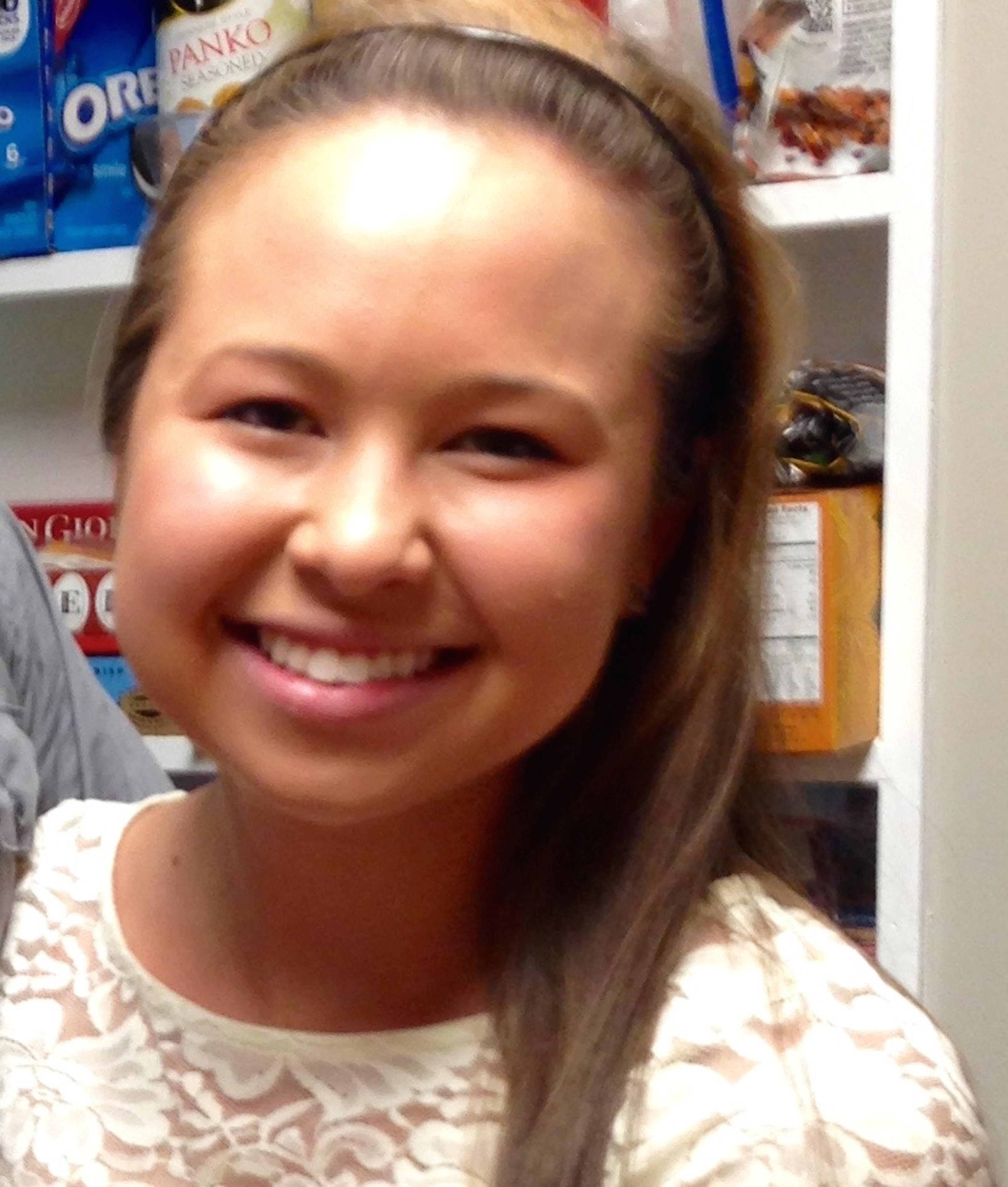 |
| Aditya Acharya (Grader) | acharya [AT] cs.umd [DOT] edu |  |
| Andrew Vorwald | andrew.vorwald [AT] gmail [DOT] com |  |
| Anupam Guha (Grader) | aguha [AT] cs.umd [DOT] edu |  |
| Andrej Rasevic | arasevic [AT] terpmail.umd [DOT] edu | 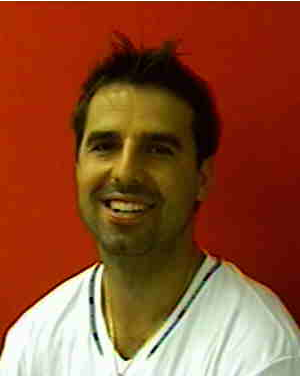 |
| Swati Singhal | swati [AT] cs.umd [DOT] edu | 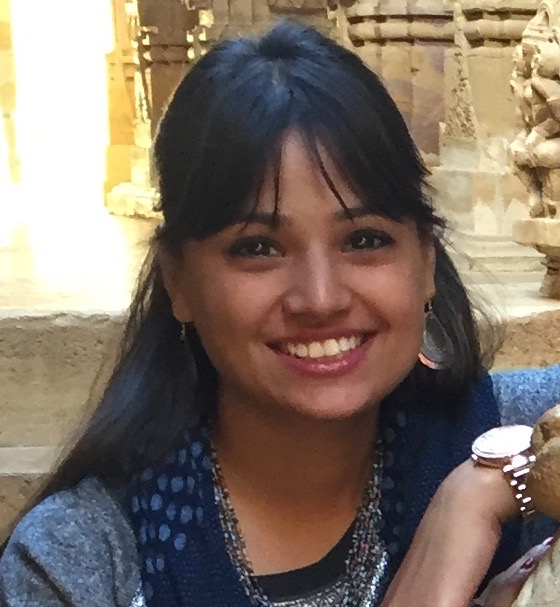 |
| Zheng Yan (Grader) | zhengyan [AT] cs.umd [DOT] edu |  |
| Xing Niu (Grader) | xingniu [AT] cs.umd [DOT] edu |  |
| Aditya Mithas | amithas [AT] umd [DOT] edu | |
| Xuefang Xie | xxie [AT] cs.umd [DOT] edu |  |
| Xue Li (Grader) | echolixue [AT] 126 [DOT] com |  |
| Zeshan Ali (Grader) | zeshansali [AT] gmail [DOT] com | 
|
Office Hours
Coordinators
| Name | Alan Sussman |
|---|---|
| Office | AVW 4121 |
| Office Hours | Tue → 2:30 pm - 4:30 pm Thu → 3:30 pm - 4:30 pm |
| als [AT] cs [DOT] umd [DOT] edu |
| Name | Nelson Padua-Perez |
|---|---|
| Office | AVW 1203 |
| Office Hours | Mon, Wed → 1:30 pm - 2:30 pm Thu → 2 pm - 3 pm |
| nelson [AT] cs [DOT] umd [DOT] edu |
Office Hours Information
Please see Office Hours Guidelines
Teaching Assistants
All TA office hours take place in AVW 1112.
| Name | Pic | |
|---|---|---|
| Hyunjong Cho (Grader) | cho [AT] cs [DOT] umd [DOT] edu | |
| Xiyang Dai (Grader) | xiyang.dai [AT] gmail [DOT] com | |
| Saurabh Kumar | kumarsa [AT] cs.umd [DOT] edu | |
| Matthew Evanusa | evanusa [AT] cs.umd [DOT] edu | |
| Gabriella Farley | gfarley [AT] terpmail.umd [DOT] edu | |
| Aditya Acharya (Grader) | acharya [AT] cs.umd [DOT] edu | |
| Andrew Vorwald | andrew.vorwald [AT] gmail [DOT] com | |
| Anupam Guha (Grader) | aguha [AT] cs.umd [DOT] edu | |
| Andrej Rasevic | arasevic [AT] terpmail.umd [DOT] edu | |
| Swati Singhal | swati [AT] cs.umd [DOT] edu | |
| Zheng Yan (Grader) | zhengyan [AT] cs.umd [DOT] edu | |
| Xing Niu (Grader) | xingniu [AT] cs.umd [DOT] edu | |
| Aditya Mithas | amithas [AT] umd [DOT] edu | |
| Xuefang Xie | xxie [AT] cs.umd [DOT] edu | |
| Xue Li (Grader) | echolixue [AT] 126 [DOT] com | |
| Zeshan Ali (Grader) | zeshansali [AT] gmail [DOT] com |
|
Lectures
Course Schedule
This schedule is tentative and subject to change. Keep in mind that the slides may not include all the material discussed in lecture. You are responsible for any material we present in lecture, even if it does not appear in the posted slides. Notice that code examples can be found in the grace cluster (public directory).
| Week | Topics | Slides | Readings | Work |
|---|---|---|---|---|
| CMSC216 Schedule | ||||
| Week #1 (Jan 25) |
Course Introduction, C Data Types, Operators, Input/Output, Control Statements, Active Learning |
Course-Intro.pdf C-Intro.pdf ActiveLearningWorkshop.pdf |
King's book, Chapters 1 → 6 |
|
| Week #2 (Feb 1) |
Functions, scope, C Storage Types, Linkage, sizeof, Input/Output Redirection (lab) |
C-Lang-I.pdf C-Lang-II.pdf |
King's book, 7.1 → 7.4 7.6 9.1 → 9.4 Chapter 10 |
E1 Out (Mon) E1 Due (Fri) E2 Out (Fri) |
| Week #3 (Feb 8) |
Pointers, Arrays, Debugging/GDB (lab), Math Library(lab) |
Pointers.pdf Debugging.pdf Pointers-Arrays.pdf |
King's book, 8.1 Chapter 11 |
Q1 (Wed) E2 Due (Wed) P1 Out (Thu) |
| Week #4 (Feb 15) |
Strings, Pointers, Command Line Arguments |
Strings.pdf PtrsCommandLineArgs.pdf |
King's book, Chapter 11, Chapter 13 |
Q2 (Wed) P1a Due (Wed) E3 Out (Fri) |
| Week #5 (Feb 22) |
Pointer Arithmetic, 2-Dim Arrays, Structures |
PtrArith2DArrays.pdf Structures.pdf |
King's book, 8.2, Chapter 12, Chapter 16, 17.7 |
Q3 (Wed) E3 Due (Fri) P1 Due (Wed) P2 Out (Wed) |
| Week #6 (Feb 29) |
Formatted I/O, Preprocessor I |
IO.pdf PreprocessorI.pdf |
King's book, Chapter 14, Chapter 22 |
P3 Out (Wed) Midterm I (Thu)(Lecture) P2 Due (Wed) |
| Week #7 (Mar 7) |
Make, Dynamic Memory Allocation, Function Pointers |
Make.pdf (Lab) DynamicMemAlloc.pdf FunctionPtrs.pdf |
King's book, 15.4, 17.1 - 17.7 |
E4 Out (Tue) P3 Due (Thu) |
| Spring Break 2016 (Mar 14-Mar 18) | ||||
| Week #8 (Mar 21) |
Bitwise Operations (Lab), Dynamic Structures, Assembly |
BitwiseOperators.pdf DynamicMemAllocII.pdf AssemblyI.pdf |
King's book, 20.1 |
P4 Out (Tue) Q4 (Wed) E4 Due (Tue) |
| Week #9 (Mar 28) |
Assembly |
AssemblyII-If-Loops.pdf AssemblyIII-CallStack.pdf |
P4a Due (Mon) Q5 (Wed) P4 Due (Thu) P5 Out (Thu) |
|
| Week #10 (Apr 4) |
Assembly, Process Control |
AssemblyIV-ParamLocal.pdf ProcessControlI.pdf |
Bryant's book, 1.7, 8.2 - 8.4 |
P5a Due (Fri) |
| Week #11 (Apr 11) |
Process Control, System I/O (read, write, file descriptors) |
ProcessControlII.pdf System-IO-I.pdf |
Bryant's book, 10.1 - 10.4, 10.8 - 10.12 |
P5 Due (Wed) E5 Out (Thu) |
| Week #12 (Apr 18) |
System I/O (dup2, pipes) |
System-IO-II.pdf |
E5 Due (Tue)
P6 Out (Tue)
Midterm II (Thu) (Lecture) |
|
| Week #13 (Apr 25) |
Libraries, Concurrency, Time |
Libraries.pdf Concurrency.pdf Time.pdf |
P6 Due (Tue) P7 Out (Tue) |
|
| Week #14 (May 2) |
Optimization, Data Representation, Course Evaluations |
Optimization.pdf Data-Rep.pdf |
Bryant's book, Chapter 2, 12.3 - 12.7 |
Q6 (Mon) P7 Due (Fri) |
| Week #15 (May 9) |
Preprocessor, Review |
PreprocessorII.pdf Review.pdf |
Last Day of Classes (Tue/May 10) Final Exam (Thu/May 12 4pm-6pm) |
|
Good Faith Attempt
Good Faith Attempt Deadlines
You must satisfy a minimum set of requirements for each project (Good Faith Attempt) otherwise you will not pass the course (automatic grade of F). Each project defines its own good faith attempt criteria. Notice that you will not receive extra points for completing the good faith attempt. The grade you obtain in the project will be based on your ontime/late submission.
| Project | Good Faith Attempt | Deadline |
| Project #1 | Public Tests | Fri Mar 25 |
|---|---|---|
| Project #2 | Public Tests | Fri Mar 25 |
| Project #3 | Public Tests | Fri Mar 25 |
| Project #4 | Public Tests | Fri Apr 8 |
| Project #5 | Public Tests #1, #2, #3 | Tue Apr 26 |
| Project #6 | Public Tests | Tue May 3 |
| Project #7 | 8 out of 11 public Tests | Tue May 10 |
Regrades
Regrades Deadlines
After any class material is graded, you have a period to address any grading concerns. Unfortunately we will not be able to address any grading concerns after the specified deadline.
| Class Material | Grading Concerns Deadline |
|---|---|
| Exercise #1 | Mon Feb 15 |
| Exercise #2 | Mon Feb 15 |
| Quiz #1 | Mon Feb 22 |
| Project #1 (Part a) | Mon Feb 22 |
| Quiz #2 | Mon Feb 29 |
| Quiz #3 | Mon Mar 7 |
| Exercise #3 | Mon Mar 7 |
| Project #1 | Wed Mar 23 |
| Midterm #1 | Wed Mar 23 |
| Project #2 | Fri Apr 1 |
| Project #3 | Wed Apr 6 |
| Exercise #4 | Wed Apr 6 |
| Project #4 (Part a) | Mon Apr 4 |
| Quiz #4 | Mon Apr 11 |
| Quiz #5 (Debugging Quiz) | Wed Apr 13 |
| Project #5 (Part a) | Mon Apr 18 |
| Project #4 | Fri Apr 22 |
| Exercise #5 | Wed Apr 27 |
| Project #5 | Fri May 6 |
| In Lecture Exercise | Wed May 4 |
| Midterm #2 | Mon May 9 |
| Project #6 | Tue May 10 |
| Quiz #6 | Tue May 10 |
| Project #7 | Tue May 10 |
Assignments
Projects
Projects
The planned dates when projects will be handed out and due is given in the course schedule. Beware that the exact dates are subject to change, but we will try to give you fair notice of any changes.
Frequent Problems Seen During Submission
Information can be found at Frequent Submission Problems
Project Descriptions
Project descriptions can be found in the grace cluster (along
with the project files). You can download the project
description to your computer using the link:
Quizzes
Quizzes
A few days prior to each quiz (except pop quizzes) we plan to post a worksheet on this page. The dates for the quizzes are given in the course schedule. Beware that the exact dates are subject to change, but we will try to give you fair notice of any changes.
Worksheets are not turned in and they are not graded. The problems on the worksheet are for your own benefit and are designed to prepare you for the quiz. We will not be giving answers to the worksheet problems, but if you have a question you can talk to the course TA(s).
| Worksheet | Quiz Date |
|---|---|
| Worksheet #1 | Wed Feb 10 |
| Worksheet #2 | Wed Feb 17 |
| Worksheet #3 | Wed Feb 24 |
| Worksheet #4 | Wed Mar 23 |
| Debugging Quiz | Wed Mar 30 |
| Worksheet #6 | Mon May 2 |
Exercises
Exercises
The planned dates when exercises will be handed out and due is given in the course schedule. Beware that the exact dates are subject to change, but we will try to give you fair notice of any changes.
Exercise Descriptions
Descriptions can be found in the grace cluster (along
with the exercise files). You can download the project
description to your computer using the link:
https://dav.terpconnect.umd.edu/
In case you are having problems accessing the description from grace we have included the description for the first exercise below. For future exercises you will need to download the description from the grace cluster.
| Worksheet | Due Date |
|---|---|
| Exercise #1 | Fri Feb 5 |
| Exercise #2 | Wed Feb 10 |
Exams
Exams
This page provides information regarding course exams.
| Exam | Date |
| Midterm I | Thu Mar 3 |
|---|---|
| Midterm II | Thu Apr 21 |
| Final | Thu May 12 |
Resources
Links
Links
- Instructions for Setting gcc Alias
- Debugging/Code Development in C
- C Style Guide
- Basic Unix Tutorial and SSH Clients Info
- X Forwarding
- Resetting Grace Environment
- Public/Release/Secret Tests Information
- https://dav.terpconnect.umd.edu/ (for downloading material from grace)
- Unix tutorial
- C for Java Programmers
- C Tutorial
- Absolute Beginner's Guide to Emacs
- Emacs tutorial (Section 5 of unix-tutorial.pdf)
- Emacs Cheat Sheet(1)
- Emacs Cheat Sheet(2)
- Emacs Indentation and C
- If you are connecting to the Linux Grace systems using a Windows computer, you may find it very useful to download and install Xming, a Windows X server. An X server lets you open windows from the Grace systems onto your machine.
- GDB Under Emacs Tutorial
- GNU Make manual
- GDB quick reference sheet, and manual Using GDB under GNU Emacs
- POSIX Threads
- Decoding C declarations/
- ASCII Table
- Linux Man Pages
- Using Valgrind to Find Memory Leaks and Invalid Memory Use
- IT Service Center
- Grace (CM)
- Glue Research and Academic Computing Environment (http://www.grace.umd.edu)
- Apps to Connect to the Grace System: JuiceSHH (Android) Free, ConnectBot (Android) Free, iTerminal - SSH Tool (iPad/iPhone) Free , iSSH - SSH / VNC Console (iPad/iPhone) Not Free
- Installing a Virtual Machine
- Assembly
- git tutorial
- Process Diagram
- Forking and Threads
- Linux Distributions List
- Universal USB Installer
- The Descent to C (For those learning C)
- Safari Books Online
- Bugs in C/C++ Code
- Memory Layout of C Program
- Little and Big Endian Architecture
- Arrays in C
- If you exceed the number of processes ("No more processes" message in grace) while using fork() the command kill -9 -1 will kill all your process. You can then log on again.
- A Beginner's Guide to Programming Languages
- Printing color strings using only printf
- Apple Bug
- CGI and C
- Swapping Values Without Temporary Variable
- Virtual Memory
- Lab Sections
- Exam Clock (http://www.timer-tab.com/)
Piazza
Piazza
We will be using (Piazza) for class communication. Regarding Piazza:
- We will use Piazza to communicate in lecture and to provide class announcements.
- Posting of code is not allowed is Piazza. Anyone posting any kind of code may receive an XF in the course.. Please carefully read the Piazza Guidelines.
- In Piazza you can see the class announcements by selecting "Resources", "Course Information".
- When we post an announcement we will select the Piazza option that allows you to receive an immediate e-mail. The e-mail will have a subject line that starts with "[Instr Note]." If you are filtering piazza messages make sure that those messages are not placed in the junk folder.
- You are responsible for checking class announcements.
- The prefered mechanism to address course questions (projects, lecture material, etc.) is during office hours, in lab, and lecture.
- Students' questions can only be answered by CS staff (TAs and instructors). Although we will try to check Piazza often, there is no guarantee we will respond to messages immediately.
- You will not be able to register to Piazza yourself. Your instructor will register you using the e-mail you have in the school system.. If you would like to use a different e-mail address see your teaching TA in lab.
-
If you access the link provided for Piazza on the class web page
and it asks for an access code, try the following:
- Visit http://www.piazza.com
- Click "log in" on the top right
- Click "forgot password"
- Enter the e-mail address registered to piazza (e-mail address registered with the school).
- Access your e-mail account to receive a link that will bring you to the registration site.
Lecture Videos
Lecture Videos
Note: If you get a "Generating Preview" message, download the video to your system for viewing
Introduction
The goal of the course is to convey the fundamental concepts that enable programs to execute on real hardware. Those concepts include how the operating system virtualizes the hardware to provide basic services and abstractions to enable a user program to effectively use the available hardware resources. The course also addresses how different programming constructs and idioms work.
The basic abstraction of a program running as one or more threads of control in a single flat address space (a Unix process) is the key to the course. Emphasizing that abstraction as the underlying model for understanding how a program works, from both the user program and hardware perspective (with the OS in between), run as a theme through all topics in the course. Examples include C pointers (to data and functions), function calls and runtime stack management, dynamic memory management in the heap, and the fork/exec system calls.
Coordinator
Nelson Padua-Perez@2016 University of Maryland College Park, MD 20742